(615) 552-8676 Hermitage-based · Nashville and 14 Middle Tennessee towns [email protected]

Electrical

Standby generators and generator hookups

A generator should run your house without sending a volt back down the street. We install home standby units and portable hookups through a transfer switch, and Jamie holds a generator certification.

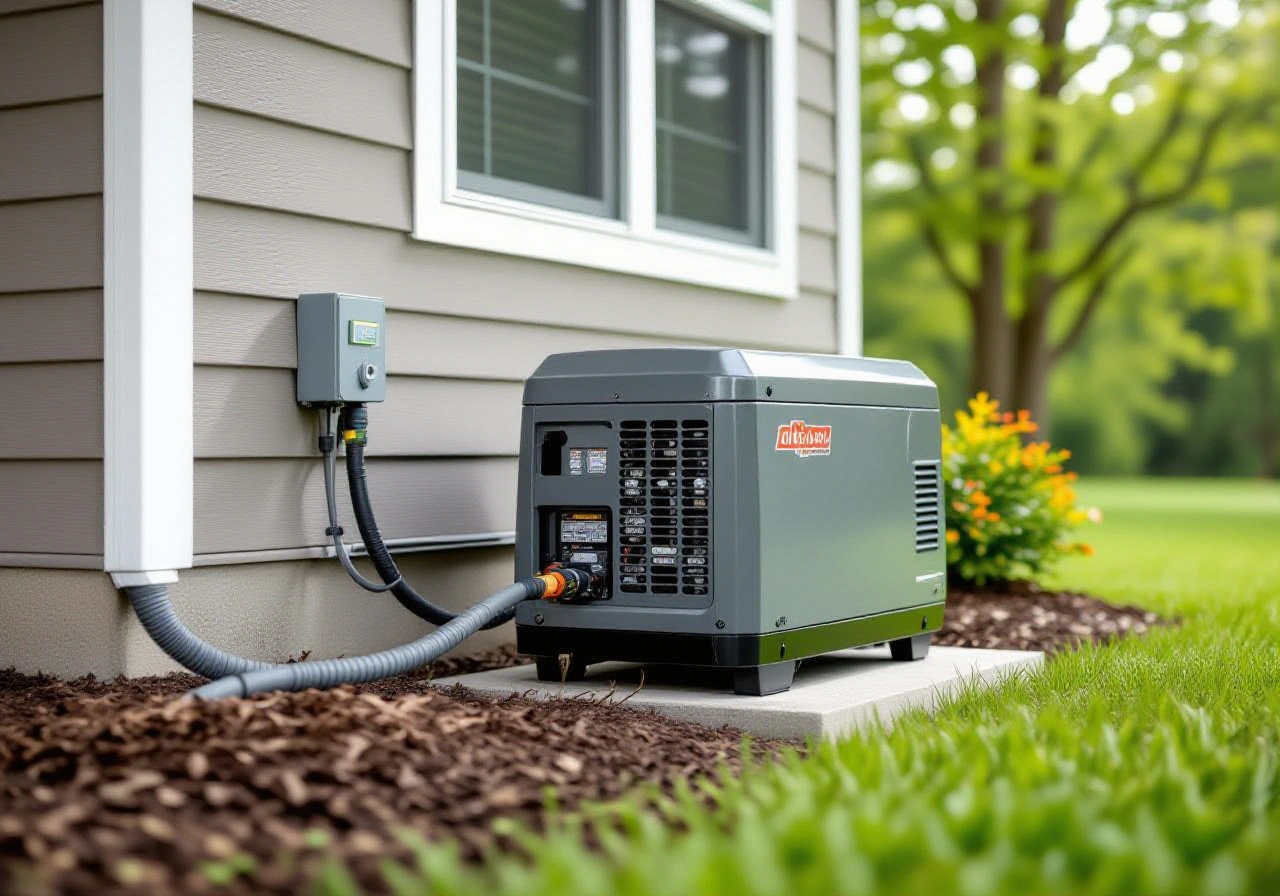
Air-cooled standby generator on a concrete pad beside a house, with conduit running to the wall

Why does a generator need a transfer switch?

Because the alternative can hurt someone you’ll never meet. NES puts it plainly: “Never hook up a generator directly to your home’s electrical service or wiring. This can cause backfeeding and pose a serious risk to NES lineworkers.” A generator tied straight into the house wiring can push power back through the transformer onto lines a lineworker believes are dead.

A transfer switch, or a listed interlock on the panel, makes it one source or the other, utility or generator, never both. The standby unit in our gallery sits beside a brick house, wired through the meter and a transfer switch.

Standby or portable: which fits your house?

A standby generator sits on a pad outside, runs on natural gas or propane, and starts by itself when the power drops. It suits a house with medical equipment, a sump pump, or people who work from home. Because it needs a gas line as well as wiring, it helps that Jamie is certified in gas line work too.

A portable generator with a hookup is the lighter option: an inlet box on the outside wall, a transfer switch or interlock, and a cord. You roll the generator out, plug it in and choose which circuits to run. The CPSC counts about 85 deaths a year from carbon monoxide from portable generators, so it runs outdoors, away from doors, windows and vents, and never in the garage.

What do you want to keep running?

That question sizes the generator. A whole-house unit carries everything, central air included. A smaller one covers the essentials: the refrigerator, the furnace blower, some lights, a well pump if you have one, the outlets the home office needs. We make that list with you at the estimate and size from it.

Middle Tennessee learned the value of a plan during Winter Storm Elliott in December 2022, when TVA ran rolling blackouts for the first time. A hookup put in on a mild afternoon is a lot calmer than shopping for one during the next storm.

Jamie’s certifications cover generators, gas lines and solar, so the questions that come up around backup power don’t need a second opinion.

What moves the cost of a generator install?

The generator’s size and type; whether there’s natural gas at the house or a propane tank to place; how far the unit sits from the gas meter and the panel; the pad; the transfer switch, automatic or manual; and the condition of the panel it ties into. The permit gets its own line.

Answers

Generators: questions

Do you need a transfer switch for a home generator?

Yes, for anything wired into the house. NES warns never to hook a generator directly to your home’s service or wiring, because it can backfeed onto the lines and endanger NES lineworkers. A transfer switch or a listed panel interlock keeps the house on either utility power or the generator, never both. Extension cords run to single appliances don’t need one.

Is it safe to plug a generator into a dryer outlet?

No. A double-ended cord into a dryer outlet energizes the house wiring with nothing to stop it backfeeding through the meter, which is exactly what NES warns against because it puts lineworkers at risk. The plugs on that cord are also live and exposed while it runs. A proper inlet with an interlock is the safe version of the same idea.

What size generator do I need for my house?

Size it from the list of what must run, not from the square footage. A whole-house standby unit carries central air and everything else; an essentials setup covers the refrigerator, heat, lights, a sump or well pump and a few outlets. We total those loads with you at the estimate and size the generator and transfer switch from that number.

Does a standby generator need a permit in Nashville?

Yes. Tennessee requires a permit before installing any wiring that needs inspection, and a standby generator with its transfer switch is exactly that. In Metro Nashville the electrical permit goes to a licensed contractor through Metro Codes, and a gas-fired unit adds a gas line to the job. The permit belongs on your estimate as a line of its own.

Can a whole-house generator run on natural gas?

Yes, most home standby generators run on natural gas or propane, which makes the install part electrical and part gas line. Jamie is certified in both gas line work and generators, so one company plans the gas run, the pad and the transfer switch together. The distance from the gas meter to the unit is one of the things that moves the price.

Where should a portable generator sit during an outage?

Outside, well away from doors, windows and vents, and never in a garage, even with the door up. The CPSC reports about 85 consumer deaths a year from carbon monoxide poisoning linked to portable generators, based on 2011 to 2021 data. A battery-powered CO alarm inside the house is worth having whenever the generator runs.

Get an estimate

Get an estimate for generators

Tell Jamie what’s going on. He’ll set a time to look. Scope, timeline and cost, line by line.

Rather talk? Call (615) 552-8676 or email [email protected].

Where your message goes and what the site keeps: our privacy policy.

Itemized estimates

Tell Jamie what is going on

The breaker that keeps tripping, the water heater that quit, the bathroom you are done looking at. Describe it and you get an estimate with the scope, the timeline and the cost on one page.

Call Get an Estimate